
A Simple Guide
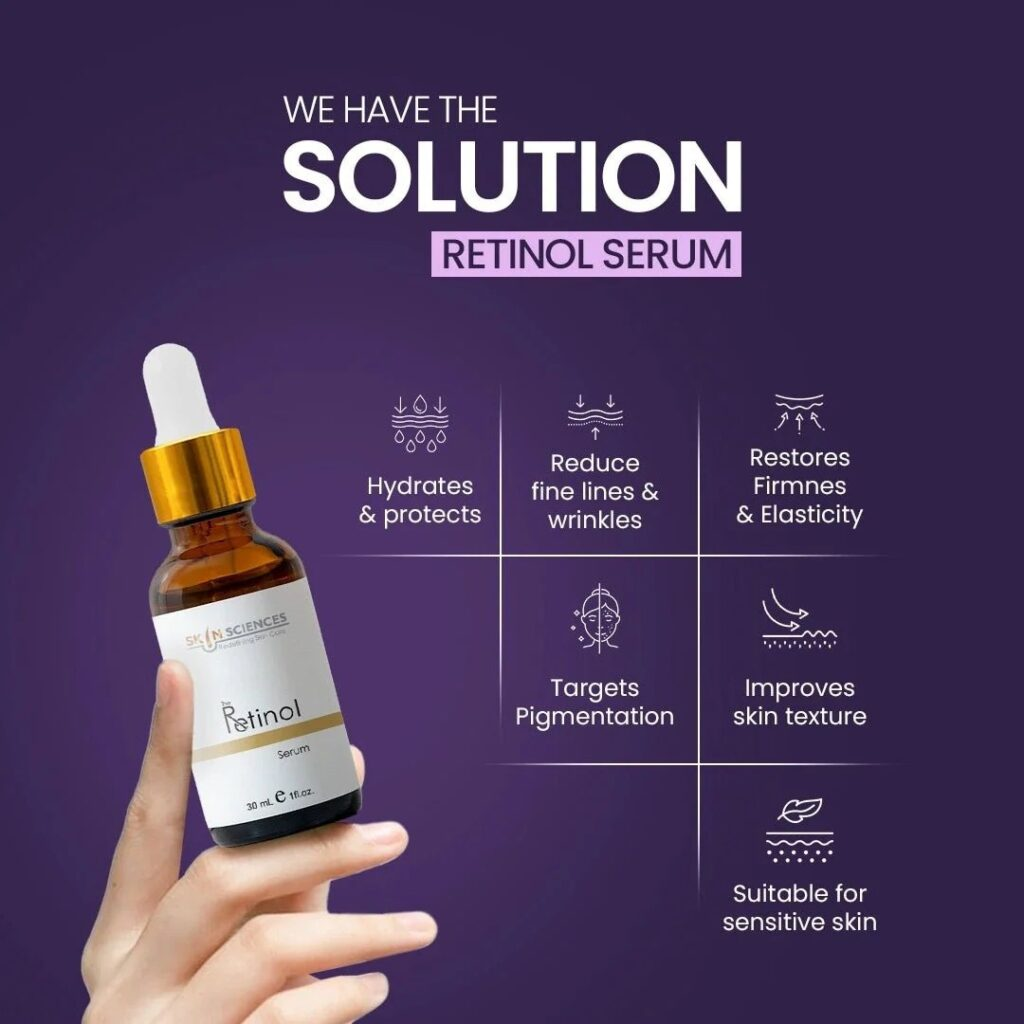
Starting a new active skincare ingredient can feel confusing, especially when you hear about peeling, dryness, and irritation. If you are considering retinol serum for beginners, the best approach is to start slowly and understand how the ingredient fits into your routine.
Retinol is a vitamin A derivative widely used in skincare. It is commonly chosen by people who want to improve the appearance of fine lines, uneven texture, dullness, and some forms of pigmentation. However, retinol is an active ingredient, so using more does not mean getting faster results.
For beginners, patience and consistency are much more important than using a strong formula from the start.
What Is Retinol?
Retinol is a form of vitamin A used in many cosmetic skincare products.
After application, retinol is converted within the skin into active vitamin A forms. This process supports skin renewal and can help improve the appearance of fine lines, texture, and uneven tone over time.
It is available in serums, creams, and other formulations.
Because it can be irritating when first introduced, beginners should approach it differently from a basic moisturizer or cleanser.
Why Do People Use Retinol?
Retinol is popular because it can address several common skincare concerns.
Fine Lines
Regular retinol use may help reduce the appearance of fine lines and make skin look smoother over time.
It does not provide instant results, and it cannot stop the natural aging process.
Uneven Texture
Retinol supports skin renewal, which may help improve rough or uneven-looking texture.
With consistent use, the skin can appear more refined.
Uneven Skin Tone
Retinol may also help improve the appearance of uneven pigmentation and dullness.
However, daily sun protection remains essential because UV exposure can contribute to pigmentation and premature skin aging.
Overall Skin Appearance
Some people use retinol as part of a long-term skincare routine focused on maintaining smoother, more even-looking skin.
The goal should be gradual improvement rather than dramatic overnight transformation.
How Should a Beginner Choose a Retinol Product?
Choosing the first product is an important step.
Start With a Gentle Formula
If you have never used retinoids before, starting with a lower-strength retinol product may make the adjustment period easier.
A strong formula can cause unnecessary irritation if your skin is not accustomed to vitamin A.
A product that you can use consistently is generally more useful than one that is so strong that you have to stop using it.
Check the Ingredients
Read the complete ingredient list rather than relying only on the product name.
Look for the type of retinoid used and check whether the formula contains additional ingredients designed to support hydration.
Ingredients such as glycerin, ceramides, or hyaluronic acid may help provide a more comfortable experience for some users.
Consider the Packaging
Retinol can be sensitive to light and air.
Packaging designed to limit exposure can help protect the formulation.
Follow the storage instructions provided by the manufacturer.
How to Start Retinol Slowly
The most important beginner rule is simple: do not rush.
Start by applying a small amount according to the product instructions.
Instead of applying retinol every night immediately, begin with a limited number of applications per week.
If your skin tolerates it comfortably, you can gradually increase frequency according to the product’s directions.
Your skin may need time to adjust.
A Simple Beginner Night Routine
A basic routine does not need to be complicated.
Try:
Gentle Cleanser → Retinol → Moisturizer
Cleanse your face and allow the skin to dry if the product instructions recommend applying retinol to dry skin.
Apply a small amount of retinol evenly.
Follow with moisturizer to support skin comfort.
Avoid applying a large quantity. More product does not mean faster results.
The Moisturizer Sandwich Method
If you are worried about dryness, you may prefer the moisturizer sandwich approach.
The routine looks like:
Moisturizer → Retinol → Moisturizer
Applying moisturizer before retinol can make the product feel gentler for some people.
This approach may be especially useful when beginning a retinoid routine, although the best method depends on the formulation and your skin’s tolerance.
What Should You Avoid When Starting Retinol?
Beginners often make the mistake of introducing several active ingredients at the same time.
This can make irritation much more likely.
Be cautious when combining retinol with strong exfoliating acids or other potentially irritating treatments.
If you already use several active products, simplify your routine before adding retinol.
A gentle cleanser, moisturizer, retinol, and sunscreen provide a practical foundation.
What Does Retinol Purging Mean?
Some people experience temporary breakouts after introducing certain skincare ingredients.
This is sometimes referred to as “purging.”
However, not every breakout is purging.
If your skin develops severe redness, burning, swelling, painful irritation, or persistent worsening, do not simply assume that your skin is adjusting.
Stop the product if necessary and seek professional advice if the reaction is significant.
Common Side Effects for Beginners
Retinol can cause an adjustment period.
Possible effects include:
- Dryness
- Peeling
- Redness
- Mild stinging
- Increased sensitivity
These effects can be more noticeable when someone starts too frequently or uses too much product.
If irritation becomes severe or persistent, reduce or stop use and consider speaking with a dermatologist.
Why Sunscreen Is Non-Negotiable
If you use retinol, daily sun protection should be a basic part of your routine.
UV exposure contributes to premature skin aging and can worsen the appearance of uneven pigmentation.
Use a broad-spectrum sunscreen during the day.
Reapply when appropriate, particularly if you spend a lot of time outdoors, sweat heavily, or are exposed to water.
A simple daytime routine can be:
Cleanser → Moisturizer → Sunscreen
You can use your retinol product as part of your evening routine.
How Long Does Retinol Take to Work?
Retinol is not an instant treatment.
Some people may notice smoother-feeling skin before they see more significant visible changes.
Improvements in fine lines and uneven texture can take several weeks or longer.
Results vary based on age, skin condition, product strength, frequency of use, and individual response.
Take photos under similar lighting if you want to track gradual changes.
Avoid comparing your progress with heavily edited social media images.
Can Skin Sciences Retinol Be Used by Beginners?
Skin Sciences offers skincare products aimed at different skin concerns. If you are considering a retinol product from the brand, check the exact retinol concentration, supporting ingredients, directions, and recommended frequency.
Do not select a product simply because it has a higher concentration.
The best option for a beginner is one that fits your skin’s tolerance and can be introduced gradually.
If you have a history of significant skin sensitivity or an ongoing skin condition, professional guidance may be helpful before starting retinol.
Mistakes Beginners Should Avoid
Using Too Much
A larger amount will not speed up results.
Use the amount recommended on the product instructions.
Starting Every Night
Your skin may need time to adjust.
Begin gradually and increase frequency only if your skin tolerates it.
Skipping Moisturizer
Retinol can cause dryness, so maintaining a supportive moisturizing routine is important.
Forgetting Sunscreen
Using retinol while ignoring daily sun protection can undermine your skincare goals.
Expecting Instant Results
Retinol works gradually.
Give your routine enough time before deciding whether it is helping.
When Should You Avoid or Seek Advice About Retinol?
Retinol may not be appropriate for everyone.
If you have a significant skin condition, severe irritation, or are unsure whether a vitamin A product is appropriate for you, speak with a dermatologist or healthcare professional.
People who are pregnant or planning pregnancy should consult their healthcare professional about whether topical retinoids or retinol products are appropriate for them.
Do not continue using a product that causes a severe reaction simply because you expect the irritation to disappear.
Frequently Asked Questions
How often should a beginner use retinol?
Start according to the product’s directions, usually with limited applications rather than immediately using it every night. Increase gradually if your skin tolerates it.
Should retinol be used in the morning?
Retinol is commonly used in an evening routine. Follow the product instructions and use sunscreen during the day.
Can beginners use retinol with moisturizer?
Yes. Moisturizer can help support the skin barrier and reduce dryness.
How much retinol should I apply?
Use the amount recommended by the product. Applying more will not necessarily produce faster results.
Is retinol suitable for sensitive skin?
Sensitive skin may require extra caution. Start slowly, choose a gentle formulation, and seek professional advice if you are unsure.
Conclusion
Retinol can be a useful addition to a long-term skincare routine when introduced carefully. The key is to start slowly, moisturize regularly, protect your skin from the sun, and avoid overwhelming your routine with multiple active ingredients.
If you are choosing retinol serum for beginners, focus on a gentle starting formula, follow the instructions, and give your skin time to adjust. Consistency and patience are far more important than using the strongest product available.
read more….