
If you have acne-prone skin, finding the right sunblock can feel challenging. Many people avoid sunscreen because they worry it will make their skin oily, clog pores, or trigger more breakouts. Unfortunately, skipping sun protection can do more harm than good.
Pakistan’s strong sunlight, high UV levels, heat, and pollution can worsen acne marks, increase pigmentation, and slow the skin’s natural healing process. That’s why using the Best Sunblock isn’t just about preventing sunburn it’s an essential step in protecting acne-prone skin every day.
The good news is that modern sunblocks are formulated to provide effective UV protection without feeling heavy or greasy. In this guide, you’ll learn how to choose the right sunscreen for acne-prone skin, which ingredients to look for, what to avoid, and why QHC Sunblock is an excellent option for daily use.
Why Is Sunblock Important for Acne-Prone Skin?
Many people believe sunscreen is only necessary for beach trips or summer vacations. In reality, your skin is exposed to ultraviolet (UV) rays every day, even when it’s cloudy.
For acne-prone skin, sun protection is especially important because UV exposure can:
- Make acne scars appear darker
- Increase post-inflammatory hyperpigmentation
- Trigger skin inflammation
- Slow the healing of existing pimples
- Increase the risk of premature aging
Using the Best Sunblock every morning helps protect your skin while supporting a healthier complexion over time.
What Causes Breakouts After Using Sunblock?
Not every sunscreen is suitable for acne-prone skin.
Some products contain heavy oils or pore-clogging ingredients that may lead to breakouts.
Common reasons include:
- Thick, greasy formulas
- Comedogenic ingredients
- Applying too much product without cleansing properly
- Wearing sunscreen for long hours without washing your face
- Using expired skincare products
Choosing the right formula can make a significant difference.
What Should You Look for in a Sunblock for Acne-Prone Skin?
A good sunscreen should protect your skin without making acne worse.
Here are the most important features to consider.
Non-Comedogenic Formula
This means the product is designed to reduce the likelihood of clogging pores.
Lightweight Texture
Gel-based or lightweight lotions usually feel more comfortable on acne-prone skin.
Broad-Spectrum Protection
Choose a sunscreen that protects against both UVA and UVB rays.
SPF 30 or Higher
Dermatologists generally recommend SPF 30 or above for everyday use.
Fast Absorption
Quick-absorbing formulas leave less greasy residue on the skin.
Ingredients That Work Well for Acne-Prone Skin
Reading the ingredient list can help you choose the right sunscreen.
Niacinamide
Niacinamide helps strengthen the skin barrier, supports an even skin tone, and reduces the appearance of redness.
Zinc Oxide
This mineral UV filter is often suitable for sensitive and acne-prone skin.
Hyaluronic Acid
Hydrates the skin without making it feel greasy.
Vitamin E
Provides antioxidant support while helping maintain healthy skin.
Glycerin
Helps retain moisture without creating a heavy feeling.
Ingredients You May Want to Avoid
Some ingredients can feel too heavy for acne-prone skin.
Depending on your skin’s sensitivity, consider avoiding products that contain:
- Heavy oils
- Thick waxes
- Strong artificial fragrances
- Alcohol-heavy formulas that dry out the skin
- Greasy creams designed for very dry skin
A lightweight sunscreen is often the better choice.
How to Choose the Best Sunblock
There are many sunscreens available, but not all are suitable for acne-prone skin.
When shopping, keep these points in mind.
Consider Humid Weather
Hot and humid weather increases sweat and oil production.
A lightweight, non-greasy formula is usually more comfortable throughout the day.
Think About Your Daily Routine
If you spend several hours outdoors, choose a sunscreen that is easy to reapply.
Choose Trusted Brands
Well-formulated skincare products focus on both protection and skin compatibility.
Why QHC Sunblock Is a Great Choice for Acne-Prone Skin
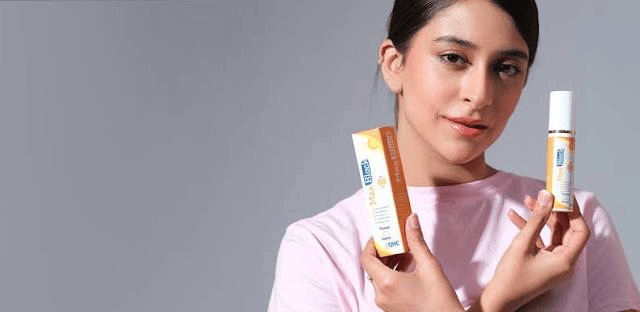
If you’re looking for the Best Sunblock , QHC Sunblock offers a practical solution for daily sun protection without making your skincare routine complicated.
Its lightweight feel makes it comfortable for everyday wear while helping protect the skin from harmful UV rays.
Many users choose QHC Sunblock because it offers:
- Broad-spectrum UV protection
- Lightweight, comfortable texture
- Suitable for everyday use
- Helps reduce greasy residue
- Layers well under makeup
- Supports healthy-looking skin with regular use
Instead of leaving the skin feeling heavy, QHC Sunblock is designed to fit naturally into a simple skincare routine.
How to Apply Sunblock Correctly
Even the best sunscreen won’t work properly if it’s applied incorrectly.
1: Cleanse Your Face
Wash your face using a gentle cleanser.
2: Apply Moisturizer
If your skin needs extra hydration, use a lightweight moisturizer first.
3: Apply Sunblock
Use about two finger lengths of sunscreen for your face and neck.
4: Spread Evenly
Cover all exposed areas, including:
- Forehead
- Nose
- Cheeks
- Chin
- Neck
- Ears
5: Reapply
Reapply every two hours when spending time outdoors or after excessive sweating.
Morning Skincare Routine for Acne-Prone Skin
A simple routine often delivers the best results.
- Cleanse your face.
- Apply an acne-friendly serum if needed.
- Use a lightweight moisturizer.
- Finish with QHC Sunblock.
Keeping your routine consistent is more important than using many products.
Common Mistakes People Make
Many people unknowingly reduce the effectiveness of their sunscreen.
Avoid these common mistakes:
Applying Too Little
Using a small amount reduces UV protection.
Skipping Reapplication
One morning application usually isn’t enough for extended outdoor activities.
Only Wearing Sunscreen on Sunny Days
UV rays are present even on cloudy days.
Forgetting the Neck and Ears
These areas are frequently exposed to sunlight.
Sleeping with Sunscreen On
Always wash your face before going to bed.
Does Sunblock Cause Acne?
A properly formulated sunscreen does not automatically cause acne.
Breakouts are more likely if:
- The product is too heavy for your skin.
- It isn’t removed properly at night.
- Your skincare routine isn’t suitable for your skin type.
Using a lightweight, non-comedogenic sunscreen greatly reduces these concerns.
Pakistan’s Climate and Acne-Prone Skin
Pakistan experiences strong sunlight for much of the year.
Heat, humidity, dust, and pollution can increase oil production and make acne harder to manage.
Daily sun protection helps reduce the effects of UV exposure while supporting healthier-looking skin.
Frequently Asked Questions
Which SPF is best for acne-prone skin?
SPF 30 or SPF 50 is generally suitable for everyday use, depending on your sun exposure.
Can sunscreen make acne worse?
Heavy or pore-clogging products may contribute to breakouts, but lightweight, non-comedogenic formulas are usually well suited for acne-prone skin.
Should oily skin wear sunscreen every day?
Yes. Daily sun protection is important regardless of your skin type.
Is gel sunblock better for acne-prone skin?
Many people with oily or acne-prone skin prefer gel-based sunscreens because they feel lighter on the skin.
Can I skip moisturizer if I use sunscreen?
Not necessarily. If your skin feels dry, apply a lightweight moisturizer before sunscreen.
Is QHC Sunblock suitable for daily use?
Yes. QHC Sunblock is designed for everyday sun protection and offers a lightweight feel that fits easily into a daily skincare routine.
Final Words
Protecting acne-prone skin doesn’t have to be difficult. The key is choosing a sunscreen that provides reliable UV protection without feeling heavy or increasing the risk of clogged pores.
When searching for the Best Sunblock , focus on lightweight, broad-spectrum, non-comedogenic formulas that suit your skin type rather than choosing products based on marketing claims alone.
QHC Sunblock is a dependable option for daily use because it offers effective sun protection with a comfortable texture that works well for acne-prone skin. Combined with gentle cleansing, moisturizing, and consistent skincare habits, it can help you maintain healthier-looking skin while protecting it from everyday sun damage.
Healthy skin starts with daily sun protection and making sunscreen a non-negotiable part of your routine is one of the best investments you can make for your skin’s future.